What Is Smetana Dairy Product and Why Is It Better Than Standard Sour Cream?
Smetana is a traditional Central and Eastern European fermented dairy product made by souring heavy cream. Unlike standard Western sour cream, which typically contains 16–20% fat and is homogenized, authentic culinary Smetana boasts a fat content ranging from 30% to 42% and is often unhomogenized. This unique high-fat, intact-globule structure gives Smetana its defining characteristic: it does not curdle or break when boiled in hot sauces and stews. It relies entirely on live lactic acid bacteria for its thick texture, avoiding the artificial thickeners commonly found in supermarket sour creams.
If you have ever opened a jar of authentic Eastern European dairy, you are likely familiar with the "Spoon Test." You plunge a spoon into the center of the jar, let go, and the spoon stands perfectly upright, suspended in a dense, velvety white cream. This is Smetana.
For decades, Western recipes have lazily translated Smetana simply as "Russian sour cream." This mistranslation has ruined countless pots of Beef Stroganoff and batches of delicate baked goods. Smetana is not merely a condiment to be dolloped on a baked potato; it is a fundamental culinary tool, a structural ingredient that bridges the gap between liquid cream and fresh cheese.
Understanding what Smetana is, how its chemistry works, and how to source it (or replicate it) will fundamentally elevate your cooking, allowing you to create rich, tangy, heat-stable sauces that standard supermarket dairy simply cannot achieve.
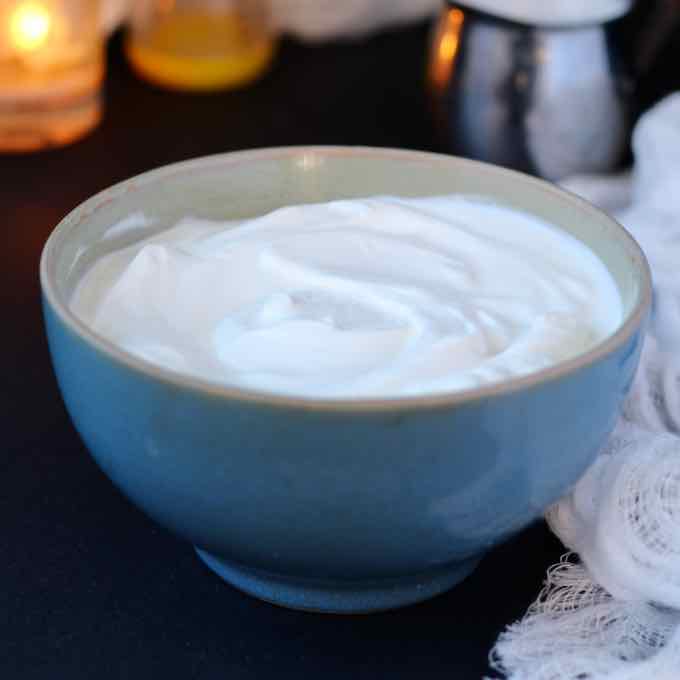
Image source: 196 flavors
The Science of Why Smetana Is Different from Western Sour Cream
To understand why Smetana performs so differently in the kitchen, we have to look at the dairy chemistry occurring beneath the surface. The differences come down to three critical factors: fat percentage, homogenization, and the presence of live cultures.
How the Fat Content Changes Everything
In the United States and much of Western Europe, commercial sour cream is heavily regulated by fat content, typically hovering between 16% and 20%. While this is sufficient for a cold garnish, it is a liability in a hot pan. Smetana, on the other hand, exists on a much broader spectrum, ranging from a pourable 10% all the way up to a butter-adjacent 70%.
For culinary applications—specifically cooking and baking—the gold standard for Smetana is between 36% and 42% butterfat. This high fat-to-protein ratio creates a "buffer effect." When dairy is heated, proteins naturally want to denature, unfold, and clump together (which we see as curdling). However, when there is a massive volume of fat present, the fat molecules physically get in the way of the proteins, preventing them from bonding. According to Finnish dairy manufacturer Valio, hitting that 40% fat threshold is exactly what makes their Smetana highly resistant to heating and boiling.
The Homogenization Factor and Heat Stability
Fat content is only half the story. The structural integrity of the milk itself plays a massive role. Standard Western sour cream is almost always homogenized. Homogenization is a mechanical process that forces milk through tiny nozzles at high pressure, smashing the fat globules into microscopic pieces so the cream doesn't separate from the milk.
While this creates a uniform liquid, it destroys the natural protective membrane around the fat globules. As noted by dairy science experts, traditional Smetana is often unhomogenized. Because the fat globules remain intact in their natural state, they provide a much stronger, more stable buffer against heat. This is why you can drop a massive spoonful of unhomogenized Smetana directly into a boiling pot of Hungarian Paprikash, and it will melt into a smooth, luxurious sauce rather than splitting into a greasy, grainy mess.
Live Cultures vs Thickening Agents
There is a pervasive "fake sour cream" problem in modern supermarkets. Because Western sour cream has a relatively low fat content, it is naturally quite thin after fermentation. To achieve the thick, scoopable texture consumers expect, manufacturers pump it full of artificial thickeners: cornstarch, gelatin, guar gum, or carrageenan.
Authentic Smetana achieves its density entirely through lactic acid fermentation. A specific starter culture (known in Russian as zakvaska) is introduced to heavy cream. As the bacteria consume the milk sugars (lactose), they produce lactic acid. This acid naturally thickens the cream and provides a complex, probiotic tang.
Using starch-thickened sour cream instead of live-culture Smetana is disastrous in baking. For example, when making a traditional Smetannik (Russian sour cream cake), the natural lactic acid in real Smetana is required to react with the baking soda to create lift. If you use a gelatin-thickened sour cream, the chemical reaction fails, and your cake will be dense and rubbery.
Smetana vs Sour Cream vs Crème Fraîche
Wandering down the international dairy aisle can be confusing. To ensure you are buying the right ingredient for your recipe, you need to understand how Smetana stacks up against its closest culinary cousins.
A Side-by-Side Comparison
| Product Name | Typical Fat % | Primary Thickener | Heat Stability | Flavor Profile |
|---|---|---|---|---|
| Smetana | 30% – 42% (Culinary) | Live Lactic Cultures | Excellent (Can be boiled) | Rich, distinct lactic tang, slightly nutty |
| US Sour Cream | 16% – 20% | Cultures + Starches/Gelatin | Poor (Curdles easily) | Mildly tart, sometimes flat |
| Crème Fraîche | 28% – 30% | Mesophilic Cultures | Very Good | Rich, buttery, very mild acidity |
| Mexican Crema | 30% | Light Cultures | Moderate | Slightly sweet, very mild tang, pourable |
Looking at the table, you might assume Crème Fraîche is a perfect substitute. While it shares Smetana's heat stability due to its fat content, it lacks the aggressive, sharp acidity that defines Eastern European cuisine. Crème Fraîche is cultured with different strains of bacteria designed to produce a buttery, mild flavor, whereas Smetana is designed to cut through heavy, fatty meats and root vegetables.
The Regional Naming Trap for Travelers
If you are traveling or shopping in European import stores, be warned: the word "Smetana" does not mean the same thing in every country. It is a linguistic trap that catches many expats and chefs.
- Czechia and Slovakia: In these countries, the word smetana simply translates to "sweet cream" (unfermented heavy cream). If you want the sour, fermented product, you must look for the word zakysaná smetana. Buying the wrong one will ruin your savory recipes.
- Romania: Here, the product is known as Smântână. While cow's milk is common, traditional Romanian Smântână is frequently made from water buffalo milk, which has a naturally higher fat and protein density, resulting in an incredibly rich product.
- Finland: The Finnish dairy market is highly specific. The word Smetana is legally reserved for the high-fat (30%+) version used for cooking. If you want standard, lower-fat sour cream for a cold garnish, you must buy hapankerma.
How to Use Smetana Like a Professional Chef
Once you have your hands on a jar of high-fat Smetana, a whole new world of culinary techniques opens up. Because you no longer have to fear the dairy curdling, you can treat it as a foundational cooking liquid rather than just a garnish.
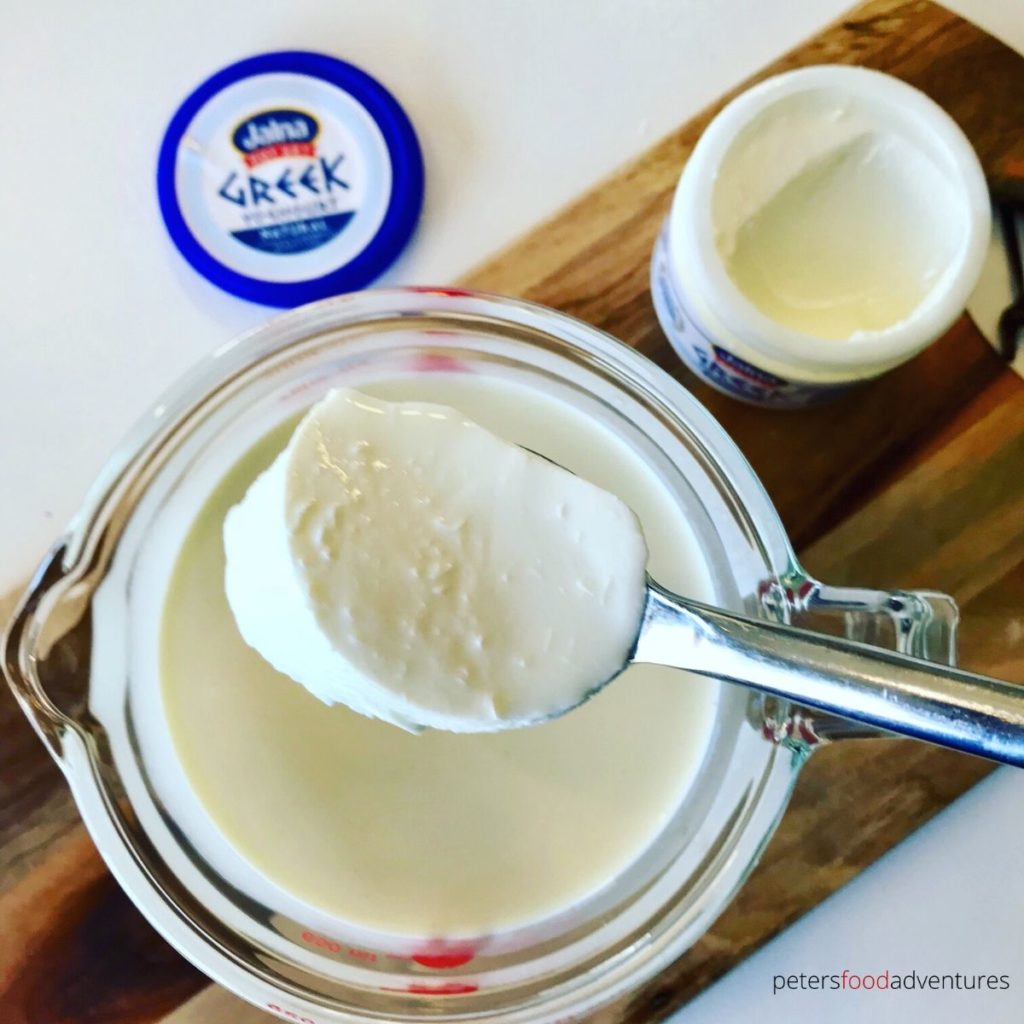
Image source: Peter's Food Adventures
The Secret to Non-Curdling Sauces and Stews
When making a traditional Beef Stroganoff using Western sour cream, recipes will explicitly warn you to take the pan off the heat, let it cool slightly, and gently "fold in" the sour cream right before serving. If the pan goes back on the heat, the sauce breaks.
With Smetana, you can add it directly to the simmering pan. In fact, traditional techniques often call for reducing the Smetana slightly in the pan alongside the mushrooms and onions, allowing the dairy to caramelize slightly and integrate deeply with the meat juices. The same applies to Hungarian Paprikash; boiling the Smetana with the paprika-infused chicken broth creates an emulsion that coats the back of a spoon perfectly.
Traditional Pairings You Should Try
Beyond sauces, Smetana is utilized in ways that highlight its unique temperature and texture contrast:
- The "Cheese n Cream" Breakfast: A staple morning meal involves mixing thick Smetana with Tvorog (a dry, crumbly farmer's cheese or dry curd cottage cheese). The Smetana rehydrates the dry curds, and when topped with honey or fresh berries, it creates a protein-dense, probiotic breakfast.
- The Borscht Swirl: Smetana is the mandatory companion to Borscht. The high fat content coats the palate, mellowing the earthy sweetness of the beets, while the lactic acid brightens the deep, slow-cooked beef broth.
- Blini and Pelmeni: Whether spooned over savory meat dumplings (Pelmeni) or delicate buckwheat pancakes (Blini) with caviar, Smetana acts as a cooling agent. Its thick texture ensures it clings to the hot dough rather than melting instantly into a puddle.
Where to Buy Smetana in 2026 (Global Sourcing Guide)
Finding authentic Smetana outside of Eastern Europe requires knowing exactly where to look. Standard grocery chains rarely carry it, but with a bit of targeted shopping, you can find excellent imports.
Finding Smetana in the United States and Canada
In North America, your best bet is to avoid the standard dairy aisle entirely. Instead, look for European delis, specifically those catering to Polish, Ukrainian, or Russian communities. Stores like Net Cost Market carry dozens of varieties.
Additionally, check the Kosher dairy section of well-stocked supermarkets or Jewish delis. Smetana is a massive staple in Eastern European Jewish cuisine (though, per Kosher dietary laws, it is never served alongside meat dishes). You may also find it labeled under "Oriental Dairy" styles, a naming convention historically used by some midwestern US dairy brands to denote the Eastern European style.
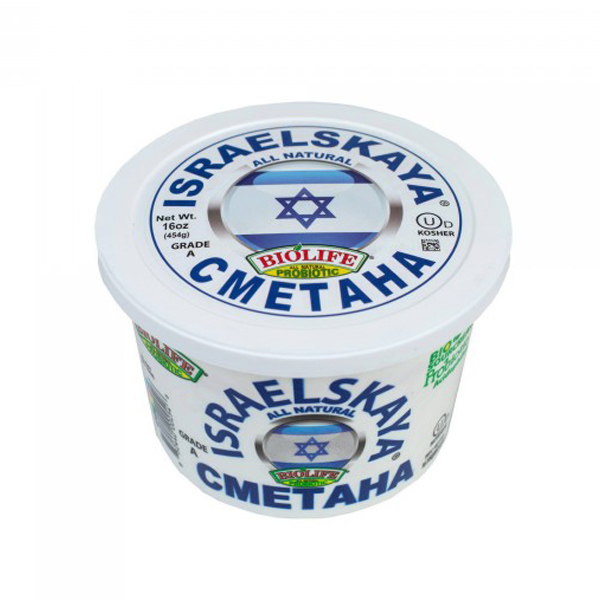
Image source: biolifedairy.com
Finding Smetana in the UK and Netherlands
For those in Western Europe, sourcing is slightly different. In the UK, you should search for Polish Delikatesy shops. Look for the word Śmietana on the label. Pay close attention to the percentages: buy the 18% for soups and cold toppings, and the 30% or 36% for baking and heavy sauces.
In the Netherlands, expats frequently struggle to find exact matches. According to local community consensus, if you cannot find an Eastern European grocer selling Svalya, the closest textural supermarket equivalent is De Zaanse Hoeve Volle Kwark, though it lacks the exact flavor profile of true Smetana.
The "Hybrid Hack" When You Cannot Find the Real Thing
If you live in an area with no access to international markets, do not substitute standard sour cream in a hot recipe. Instead, use the "Hybrid Hack" developed by chefs to mimic Smetana's exact chemical profile.
The Recipe: Mix a 1:1 ratio of high-quality Crème Fraîche and full-fat Sour Cream.
The Crème Fraîche provides the necessary 30%+ butterfat to ensure heat stability and prevent curdling, while the sour cream introduces the sharp, lactic tang that Crème Fraîche lacks. Whisk them together and let them sit at room temperature for 20 minutes before cooking to allow the textures to meld.
How to Make Authentic Smetana at Home
If you want total control over your dairy, making Smetana at home is a rewarding process. The word "Smetana" (сметана) actually comes from the old Slavic verb sъmětati, which means "to sweep off" or "to remove." This refers to the ancient method of production.
The Traditional "Smetat" Skimming Method
Historically, farmers would take raw, unpasteurized milk and leave it in a warm room. Over a day or two, the cream would naturally rise to the top, and the wild lactic bacteria present in the raw milk would ferment it. The farmer would then "sweep" or skim this thick, soured cream off the top of the milk. While romantic, this method requires access to raw farm milk, which is illegal or difficult to obtain in many modern jurisdictions.
The "Soviet-Style" Kefir Method for Advanced DIY
Most modern DIY recipes tell you to mix heavy cream with buttermilk. While this works, it produces a distinctly Western flavor. To achieve the authentic, slightly yeasty, sharp flavor profile of historical Eastern European dairy plants, you should use Kefir as your starter culture.
Ingredients:
- 2 Cups (500ml) Heavy Whipping Cream (Minimum 35% fat, preferably unhomogenized/pasteurized, NOT ultra-pasteurized)
- 3 Tablespoons (45ml) Plain, unflavored whole-milk Kefir (must contain live active cultures)
Instructions:
- Warm the Cream: Pour the heavy cream into a sterile glass jar. Gently warm it in a water bath until it reaches exactly 100°F (38°C). Warning: Do not exceed 104°F (40°C). This is the "kill zone" where you will destroy the live cultures in the next step.
- Inoculate: Stir the Kefir into the warmed cream. Mix thoroughly with a clean spoon.
- Incubate: Cover the jar loosely with a breathable cloth or a coffee filter secured with a rubber band. Place the jar in a warm, draft-free spot (like an off oven with the light on).
- Ferment: Leave it undisturbed for 12 to 18 hours. The longer it sits, the tangier it will become.
- Chill: Once it has thickened to the point where it holds its shape, seal the jar with a tight lid and refrigerate for at least 12 hours before using. The cooling process will firm up the butterfat, resulting in the final, dense Smetana texture.
Troubleshooting Common Smetana Issues
Working with live-culture dairy can sometimes yield unexpected results. Here is how to troubleshoot the most common issues.
Why Did My Smetana Turn Out Thin?
If you attempted to make Smetana at home and it resembles a thin liquid rather than a scoopable cream, the culprit is almost always the starting fat percentage. You must use cream that is at least 30% fat (heavy whipping cream). If you used "half and half" or light cream, there is not enough fat to create a solid structure. Additionally, ensure you allowed enough fermentation time; in cooler kitchens, it may take up to 48 hours to fully thicken.
Why Did My Sauce Still Curdle?
If you bought Smetana from a store, added it to a hot stew, and it still broke, check the label immediately. You likely fell victim to the "Boiling Point Rule." Even authentic Smetana can break if you purchased a low-fat dietary version (e.g., 10% or 15% fat). To survive a rolling boil, the dairy must be at least 30% fat. Furthermore, if the brand you bought contains stabilizers like guar gum, those additives can react poorly to high heat and acidic environments (like tomato-based sauces), causing a grainy texture.
Can You Freeze Smetana?
Technically yes, but culinarily, no. When you freeze Smetana, the water content crystallizes. Upon thawing, the emulsion breaks, and the fat separates from the liquid, resulting in a lumpy, cottage-cheese-like texture. You cannot use thawed Smetana as a fresh topping for Borscht or Blini. However, if you are planning to use it exclusively for baking (like in a Smetannik cake) where it will be melted into a batter anyway, frozen and thawed Smetana is perfectly acceptable.
Frequently Asked Questions
No. While they look similar and both have high fat contents that resist curdling, they are fermented with different bacterial cultures. Smetana uses cultures that produce a sharper, more acidic lactic tang, whereas Crème Fraîche uses mesophilic cultures designed to create a milder, buttery flavor. Additionally, Smetana is available in a much wider range of fat percentages (10% to 70%).
Smetana is a calorie-dense, high-fat food, so portion control is important for those monitoring their fat intake. However, authentic Smetana is highly beneficial for gut health because it is packed with live probiotic cultures. It is also a natural, whole food, free from the artificial starches and gums found in highly processed commercial sour creams.
The cost difference comes down to the raw ingredients. Standard sour cream is mostly milk thickened with cheap starches or gelatin. Smetana is made from pure, high-butterfat heavy cream. Because it takes significantly more milk to yield a single cup of heavy cream, the base ingredient is much more expensive to produce.
Traditional Smetana is not completely lactose-free, though the fermentation process does reduce the lactose content as bacteria consume the milk sugars. However, modern dairy science has adapted. Brands like Valio now produce specifically engineered lactose-free Smetana that retains the 40% fat content and heat stability required for cooking.
Yes! While it sounds unusual to Western palates, adding a spoonful of high-fat Smetana to black coffee is a traditional practice in some Siberian and Eastern European regions. Because of the high fat content, it melts into the hot coffee without curdling, creating an incredibly rich, slightly tangy beverage similar to a bulletproof coffee.
Final Thoughts
Smetana is far more than just a condiment; it is a structural culinary ingredient that bridges the gap between liquid cream and fresh cheese. By understanding its unique chemistry, you can unlock richer, more stable sauces and authentic baked goods.
- Check the fat percentage before buying; aim for 30% or higher if you plan to boil or cook with it to prevent curdling.
- Verify "Live Cultures" on the ingredient list to ensure you are getting the probiotic benefits and natural lactic tang, avoiding starch-thickened "fake" sour creams.
- Use the "Hybrid Hack" (a 1:1 mix of Crème Fraîche and full-fat sour cream) if you cannot source authentic Eastern European brands locally.
- Watch out for regional naming traps, especially in Czechia and Slovakia, where you must look for "zakysaná" to ensure you are buying soured cream, not sweet cream.
- Try the Kefir method for homemade Smetana to replicate the authentic, slightly yeasty flavor profile of traditional Soviet-era dairy.