What Fruits Are in Season Now and How to Find Top-Quality Local Picks
As of late July, the following fruits are at their peak flavor and availability across most of the United States:
- Stone Fruits: Peaches, nectarines, plums, and apricots are in their prime harvest window.
- Berries: Blueberries, blackberries, and raspberries are abundant, especially in northern regions.
- Melons: Watermelon, cantaloupe, and honeydew are reaching peak sweetness.
- Tropicals: Florida avocados and California strawberries remain widely available.
This period represents a "sweet spot" where the last of the spring berries overlap with the heavy hitters of mid-summer harvest.
What Is at Its Peak Flavor in July?
July 22 marks the height of the summer harvest in the Northern Hemisphere. During this window, the heat of the sun has fully developed the natural sugars in many of our favorite fruits, leading to a depth of flavor that is difficult to replicate at other times of the year. According to GrowNYC, late July is the transition point where early-season varieties give way to the more robust mid-summer crops.
The Stone Fruit Explosion
Stone fruits, named for the large, hard pits at their centers, are the stars of the July market. Peaches and nectarines are currently transitioning from "clingstone" varieties (where the flesh sticks to the pit) to "freestone" varieties, which are often preferred for baking and canning because the pit is easily removed. Plums are also appearing in a rainbow of colors, from the deep purple Santa Rosa to the bright yellow Shiro varieties.
Berry Abundance
While strawberries are beginning to wind down in some southern regions, they are still peaking in cooler climates. However, the real story in July is the blueberry. Highbush blueberries are being harvested in massive quantities across the Pacific Northwest and the Northeast. Raspberries and blackberries are also at their most prolific, offering a tart-sweet profile that defines summer desserts.
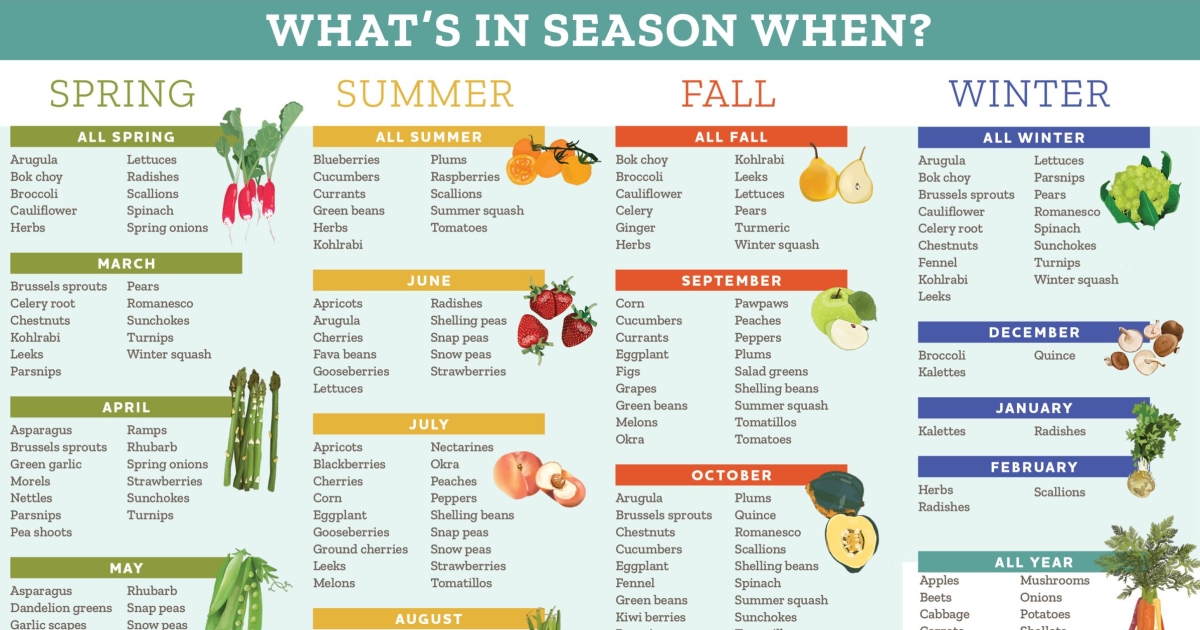
Image source: FRESHFARM Markets
How Your Location Changes What Is in Season
Seasonality is not a universal calendar; it is a moving target dictated by latitude and microclimates. A fruit that is "in season" in Florida during January might not reach its peak in New York until July. Understanding this "Latitude Shift" is essential for finding the freshest produce.
The West Coast and California Microclimates
California is a unique agricultural powerhouse because its diverse geography allows for nearly year-round production of certain crops. As noted by California Grown, strawberries are available almost twelve months a year due to the state's varied growing regions. However, in July, the Central Valley becomes the epicenter for stone fruits, shipping peaches and plums across the country.
The South: Florida and Texas
In the South, July is a time of transition. Florida is currently in the middle of its avocado season, which typically runs from June through January. Unlike the pebbly-skinned Hass avocados from California or Mexico, Florida avocados are larger with smooth green skin and a lower fat content. Meanwhile, Texas is celebrating the peak of its melon season, with the famous Pecos melons reaching markets across the region.
The Northeast and New England
For those in the Northeast, July is the long-awaited reward for a cold winter. This is the time when "overwintered" greens have long passed, and the first heavy harvests of cherries and blueberries arrive. The "Strawberry Line"—the invisible boundary of peak ripeness—has finally moved north from the Mid-Atlantic into New England, making local berries a top choice for shoppers in this region.
Regional Harvest Comparison for July 2026
To help you navigate your local farmers' market or grocery store, the following table outlines the current status of popular fruits across three major U.S. regions as of July 22, 2026.
| Fruit Type | West Coast Status | South Status | Northeast Status |
|---|---|---|---|
| Strawberries | Peak | Ending | Peak |
| Avocados | Peak (CA) | Peak (FL) | Imported |
| Peaches | Peak | Peak | Just Starting |
| Blueberries | Peak | Ending | Peak |
| Watermelon | Starting | Peak | Starting |
Why Seasonal Fruit Sometimes Costs More
There is a common misconception that eating seasonally always results in lower grocery bills. While it is true that high supply generally drives prices down, the "Affordability Paradox" often comes into play. In 2026, several factors influence why that local peach might still cost more than a year-round apple.
The Supply Chain Reality
Even when fruit is grown locally, the costs of labor, packaging, and fuel for transport remain high. In some cases, the specialized care required for delicate seasonal items like raspberries or heirloom tomatoes requires more manual labor than industrial-scale crops. This can offset the savings typically associated with reduced "food miles."
The Budget Hack: Frozen and Canned Options
If fresh seasonal prices are prohibitive, the USDA SNAP-Ed program provides a vital tip: frozen and canned fruits are often processed at the absolute peak of their ripeness. This locks in nutritional value and flavor at a fraction of the cost of fresh produce during supply spikes. For smoothies or baking, frozen berries are a top-tier option that maintains nutritional equivalence to fresh-picked varieties.
How to Tell the Difference Between Popular Fruit Varieties
Walking into a market in July can be overwhelming due to the sheer variety of options. Understanding the nuances between specific cultivars can help you make better decisions based on your flavor preferences.
- Cara Cara vs. Navel Oranges
- While July is late for most citrus, some storage varieties remain. Cara Caras are distinguished by their pinkish-red flesh and a flavor profile that is sweeter and less acidic than the traditional Navel orange.
- Honeybell Tangelos
- A rare hybrid of a Dancy Tangerine and a Duncan Grapefruit. These are highly sought after but have an extremely short window, typically appearing only from January to April. If you see them in July, they are likely imported or a different variety entirely.
- Donut (Saturn) Peaches
- These flat, disc-shaped peaches are prized for their white flesh and almond-like undertones. They are less acidic than yellow peaches and are a favorite for fresh eating.
- Rainier Cherries
- Recognizable by their yellow skin with a red blush, these cherries are much sweeter and more delicate than the dark red Bing cherries. Their season is brief, often peaking right now in late July.
How to Verify Farm-to-Table Claims at Restaurants
Many restaurants use "seasonal" as a marketing buzzword without actually sourcing locally. To ensure you are getting genuine farm-to-table produce, use this simple vetting framework based on recommendations from the Florida Department of Agriculture.
- Ask for Specifics: Instead of asking if the food is local, ask, "Which specific farm did these peaches come from?" A restaurant truly committed to seasonality will know the names of their suppliers.
- Check the Menu Frequency: Ask how often the seasonal menu changes. If the "Summer Special" has been the same since April, it is likely not following the actual harvest cycle.
- Look for Variety Names: Menus that specify "Bing Cherries" or "Heirloom Brandywine Tomatoes" are more likely to be sourcing specifically for quality and season than those that simply list "fruit salad."
Why Seasonal Eating Is Better for Your Health and the Planet
Choosing fruit that is in season is not just about flavor; it has measurable impacts on your physical health and the environment. When fruit is allowed to ripen on the vine or tree, it develops a full spectrum of vitamins and antioxidants that are often diminished in produce picked green for long-distance shipping.
"Buying seasonal and local produce reduces waste because fewer people handle the produce and travel distances are shorter, significantly reducing the likelihood of spoilage during delivery."
Furthermore, the environmental cost of "food miles" is substantial. Fruit flown in from the Southern Hemisphere during the off-season carries a much larger carbon footprint than a basket of berries grown fifty miles from your home. By aligning your diet with the local harvest, you support regional biodiversity and help maintain the economic viability of small-scale farms.
Seasonal Fruits for Pregnancy Cravings and Nutrition
For expectant mothers, July offers a bounty of nutrient-dense options that address common pregnancy needs. Seasonal eating during this time can provide essential vitamins in their most bioavailable form.
- Watermelon for Hydration: With its high water content and essential electrolytes, watermelon is an excellent choice for staying hydrated during hot July days.
- Berries for Folate: Strawberries and raspberries are natural sources of folate, a B-vitamin crucial for fetal development.
- The "Import" Safety Net: While eating locally is ideal, certain staples like bananas are imported year-round from tropical climates like Peru and Colombia. They remain a reliable, affordable source of potassium and energy regardless of the local season.
How to Pick the Ripest Fruit at the Market
Finding fruit that is in season is only half the battle; you must also select the best individual pieces. Use these sensory cues to ensure you’re bringing home the highest quality produce.
- Peaches & Nectarines: Look for a "ground color" that is yellow or cream, not green. The fruit should give slightly to gentle pressure and have a strong, sweet aroma at the stem end.
- Melons: For watermelons, look for a creamy yellow "field spot" where it rested on the ground. For cantaloupes, the "thump" test should produce a dull, deep sound rather than a hollow one.
- Berries: Turn the container over to check the bottom. If there are juice stains or crushed berries at the base, the entire batch may be overripe or beginning to mold.
- Plums: These should feel heavy for their size and have a smooth skin with a slight silvery "bloom," which is a natural protective coating indicating freshness.
Frequently Asked Questions
Why are apples available in July if they are a fall crop?
While the apple harvest typically begins in late August or September, modern "Controlled Atmosphere" (CA) storage technology allows apples to be kept in a dormant state for up to a year. This technology regulates oxygen, nitrogen, and temperature to maintain crispness. Consequently, the apples you see in July are likely from the previous autumn's harvest or imported from the Southern Hemisphere.
Are frozen fruits as healthy as fresh seasonal ones?
Yes, and in some cases, they may be even more nutritious. Because frozen fruits are picked at peak ripeness and flash-frozen within hours, they retain their vitamin content. Fresh produce that has spent days in transit or sitting on a grocery shelf can actually lose nutrients over time due to exposure to light and air.
What is the shortest fruit season I should look out for?
Some of the most prized seasonal items have very narrow windows. Honeybell tangelos are only available for about 8-10 weeks in the winter. In the summer, certain varieties of apricots and specific wild berries like huckleberries may only be available for 3 to 4 weeks. If you see these at the market, it is best to buy them immediately.
Why does my local market have strawberries in January?
This is due to the regional harvest shift. While strawberries are a summer crop in the North, Florida and Mexico have their peak strawberry season from December through April. Global logistics allow these southern crops to fill the gap in northern markets during the winter months.
What does "overwintered" mean when referring to produce?
Overwintered produce refers to crops that were planted in the fall, survived the winter frost in a dormant or semi-dormant state, and are harvested in early spring. While this mostly applies to vegetables like spinach, kale, and broccoli rabe, it can also apply to certain hardy fruits in specific climates that benefit from a "chill hour" period.
Key Takeaways for Seasonal Shopping
The Bottom Line
Eating seasonally in July 2026 is about embracing the peak of stone fruits and berries while understanding that your specific geography dictates the exact timing of the harvest.
- Prioritize stone fruits like peaches and plums, which are currently in their prime freestone window.
- Check your latitude to understand if you are at the beginning, middle, or end of a specific fruit's season.
- Don't fear "ugly" produce; heirloom varieties often prioritize flavor over uniform appearance.
- Use frozen options as a high-quality, budget-friendly alternative when fresh prices spike.
- Verify local claims at restaurants by asking for specific farm names and checking menu frequency.
- Trust your senses—smell and weight are often better indicators of ripeness than color alone.
Next time you visit the market, try one new variety of plum or cherry to expand your seasonal palate and support agricultural diversity.