How to Find Best Ensalada Caprese Argentina Near Me
To find a top-rated ensalada caprese argentina near you, look for local Argentine steakhouses (parrillas) or South American pizzerias that explicitly list palta (avocado) in their salad descriptions. Authentic variations will feature hand-torn basil, fresh water-packed mozzarella (Fior di Latte), ripe tomatoes, and creamy Hass avocado. When ordering delivery, always request the dressing on the side to prevent the avocado from oxidizing and turning brown during transit.
The traditional Italian Caprese salad is a globally recognized dish, celebrated for its simplicity and representation of the Italian flag. However, as culinary traditions migrate, they evolve. In Buenos Aires and throughout Argentine communities worldwide, this classic starter has been transformed into a richer, more substantial dish known as the ensalada caprese con palta. By introducing creamy avocado into the mix, the salad shifts from a light appetizer to a deeply satisfying, buttery accompaniment to heavy grilled meats.
Whether you are searching for a fresh lunch option in your neighborhood or trying to recreate the authentic South American experience at home, understanding the nuances of this specific variation is essential. This article explores the distinct characteristics of the Argentine style, provides actionable strategies for finding premier local options, and offers expert tips for navigating delivery menus without compromising ingredient quality.
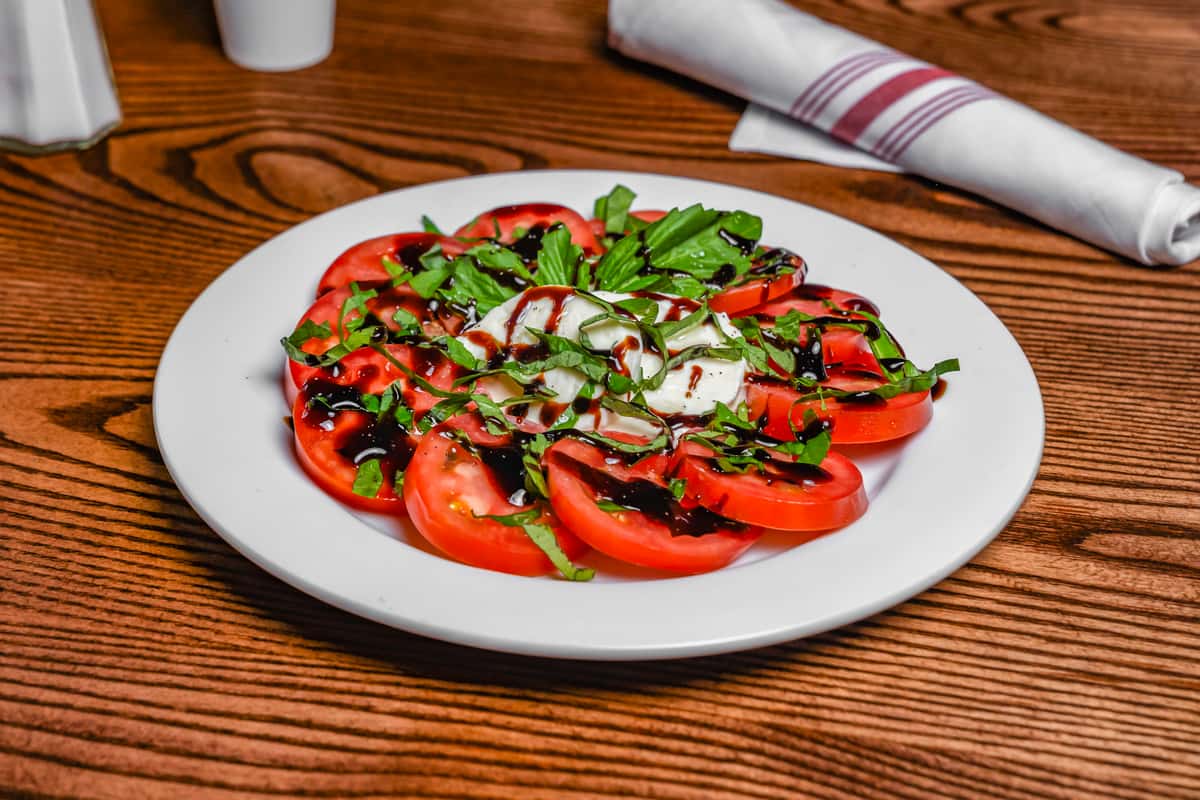
Image source: Giuseppes
What Makes the Argentine Caprese Salad Different From the Italian Original?
To appreciate the Argentine variation, one must first understand its foundation. The original Insalata Caprese originated on the island of Capri and gained international prominence in the 1950s. It relies on a strict triad of ingredients: tomatoes, fresh mozzarella, and basil, dressed exclusively with olive oil and salt. The Argentine adaptation respects this foundation but introduces regional modifications that significantly alter the flavor profile and texture.
The "Palta" Revolution
The most defining characteristic of the Argentine Caprese is the addition of palta, the local term for avocado. According to culinary analyses of South American menus, the inclusion of avocado transforms the dish entirely. The healthy fats and luxurious, buttery texture of a ripe Hass avocado perfectly balance the sharp acidity of the tomatoes. This addition is not merely a modern health trend; it is a deeply ingrained regional preference that provides a necessary textural contrast to the firm mozzarella.
Visual Symbolism and the Tricolore
The original Italian salad was designed to mimic the colors of the Italian flag: red, white, and green. The Argentine version maintains this visual appeal but deepens the green spectrum. The vibrant, light green of the basil leaves contrasts beautifully with the dense, yellow-green flesh of the avocado, creating a visually striking layered presentation that is highly sought after in modern dining.
Cheese Variations in South America
While a strict Italian recipe demands fresh buffalo mozzarella or Fior di Latte stored in water, Argentine variations sometimes incorporate local dairy traditions. In some warm, Caprese-inspired dishes found in Buenos Aires, chefs might utilize firmer local cheeses like Sardo or Reggianito to add a sharper, saltier bite. However, for a cold salad, high-quality fresh mozzarella remains the standard. The key distinction is that authentic Argentine spots will never use the low-moisture, shredded mozzarella typically reserved for standard pizza toppings.
How to Find Authentic Ensalada Caprese con Palta in Your Neighborhood
Searching for "best ensalada caprese argentina near me" on standard map applications often yields generic Italian restaurants. To find the specific South American variation, you need to refine your search strategy and vet local menus carefully.
Scan online menus for specific terminology. Look for the word "Palta" instead of just "Avocado." Establishments that use regional terminology are far more likely to prepare the dish authentically. Additionally, look for mentions of "Fior di Latte" or "Buffalo Mozzarella" to ensure high cheese quality.
Examine user-uploaded photos on review sites. If the cheese appears yellowed, shredded, or cut into rigid, perfectly uniform cubes, the restaurant is likely cutting corners. Authentic spots will feature thick, slightly irregular slices of fresh, water-packed mozzarella.
Why You Should Look for Empanadas Caprese if the Salad Is Sold Out
If your local search for a fresh Argentine Caprese salad comes up empty, there is a highly reliable alternative that captures the exact same flavor profile: the Empanada Caprese. In Argentina, the combination of tomato, mozzarella, and basil is so beloved that it has transcended the salad bowl and become a staple filling for the country's famous baked pastries.
The Portable Caprese Experience
Empanadas Caprese offer a warm, comforting interpretation of the classic ingredients. When baked inside a golden, flaky crust, the fresh mozzarella melts into a rich pool, the tomatoes release their sweet juices to form a natural sauce, and the basil wilts, infusing the entire interior with its aromatic oils. This creates a highly concentrated flavor experience that many diners actually prefer over the cold salad.
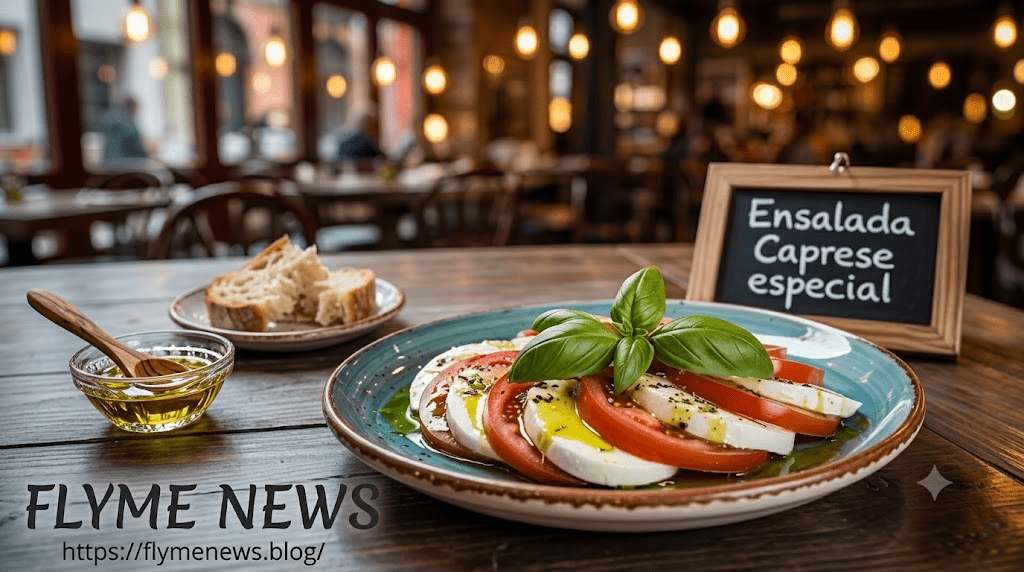
Image source: flymenews
Where to Find Them
Identifying authentic Argentine pizzerias—similar to those found in the trendy Palermo Soho district of Buenos Aires—is your optimal strategy here. According to reviews on platforms like TripAdvisor, establishments that pride themselves on authentic Argentine pizza will almost universally offer a Caprese empanada. If a restaurant serves high-quality Caprese empanadas, they inherently possess the correct, fresh ingredients required to make an excellent Caprese salad upon request.
How to Order Delivery Without Ending Up With Brown Avocado
Ordering an ensalada caprese con palta for delivery presents a unique set of challenges. While tomatoes and mozzarella travel relatively well, avocado is notoriously fragile. The moment a palta is sliced and exposed to air, an enzyme called polyphenol oxidase reacts with oxygen, causing the flesh to turn an unappetizing brown. When combined with the transit time of a delivery driver, this oxidation can ruin the visual appeal and slightly alter the taste of your meal.
- The "Deconstructed" Request
- The most effective way to preserve your avocado during delivery is to ask the restaurant to pack the dressing separately. The acidic components of vinaigrettes can accelerate the breakdown of the avocado's texture if left to soak for 30 to 40 minutes. By requesting a deconstructed presentation, you maintain control over the final assembly and freshness.
- Group Ordering Strategies
- If you are organizing an office lunch, utilize features like DoorDash's Group Order. By consolidating orders, you often trigger a fresh batch preparation from the kitchen, ensuring that the avocados are sliced immediately before dispatch rather than sitting on a prep line.
- Packaging Verification
- Before ordering from a new spot, check user reviews specifically mentioning packaging. Establishments that use airtight, compartmentalized containers demonstrate a commitment to quality control that is essential for delicate dishes like the Argentine Caprese.
The Great Vinegar Debate: Should You Use Balsamic on an Argentine Salad?
One of the most contentious topics in the preparation of this dish is the use of vinegar. The divide between traditional Italian purists and modern Argentine adaptations is stark, and understanding this difference is crucial for ordering a salad that matches your palate.
The Purist vs. Modernist View
Traditionalists argue vehemently against the use of any vinegar. The classic Capri method dictates that the delicate, milky flavor of fresh mozzarella should only be enhanced by high-quality extra virgin olive oil and a sprinkle of sea salt. Introducing a harsh acid, they claim, overwhelms the cheese and ruins the balance.
Conversely, the Argentine and broader international approach frequently embraces acidity. As noted by culinary resources like DablewDecor, the addition of an aged balsamic glaze or a splash of red wine vinegar is highly popular. The sweetness of the balsamic reduction pairs exceptionally well with the creamy, fatty nature of the avocado, creating a complex, tangy bite that cuts through the richness of the dish.
| Ingredient / Element | Traditional Italian (Capri) | Argentine Style (Buenos Aires) |
|---|---|---|
| Cheese | Buffalo Mozzarella or Fior di Latte | Fresh Mozzarella (sometimes local Sardo in warm dishes) |
| Produce | Tomatoes, Fresh Basil | Tomatoes, Fresh Basil, Palta (Avocado) |
| Dressing | Extra Virgin Olive Oil, Sea Salt | Olive Oil, Salt, often Balsamic Glaze or Red Wine Vinegar |
| Base | None (served directly on plate) | Often served over a bed of fresh Arugula (Rúcula) |
| Serving Temp | Room Temperature | Slightly Chilled to Room Temperature |
How to Make an Authentic Ensalada Caprese con Palta at Home
If you cannot find a suitable local option, preparing this dish at home is remarkably straightforward. The active preparation time is typically under 10 minutes, making it an ideal choice for a quick, nutritious lunch or an elegant dinner starter. The secret to a restaurant-quality result lies entirely in ingredient handling and temperature control.
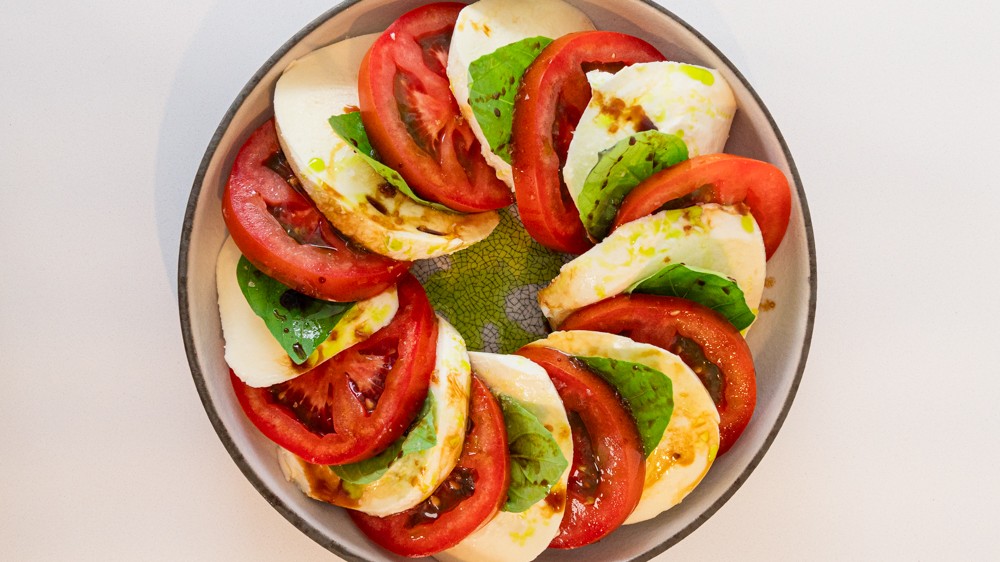
Image source: Andy Cooks
The Tomato Marination Technique
One of the most common frustrations with homemade Caprese is dealing with hard, flavorless tomatoes, especially outside of peak summer months. To combat this, employ a quick marination technique. Slice your tomatoes and arrange them on a platter. Sprinkle them generously with coarse sea salt and a few drops of red wine vinegar. Let them sit for 5 to 10 minutes. The salt will draw out the natural juices of the tomato, creating a flavorful, natural vinaigrette at the bottom of the dish.
The "Torn Basil" Secret
As demonstrated by traditional Italian chefs on platforms like YouTube, you must never use a metal knife to chop your basil. Cutting basil bruises the delicate leaves, causing them to oxidize rapidly and turn black, which introduces a bitter flavor. Instead, gently tear the larger leaves by hand just moments before serving. This preserves the essential oils and ensures a bright, sweet aroma.
Temperature Matters
A frequent mistake made by home cooks is serving the mozzarella straight from the refrigerator. Ice-cold temperatures mute the flavor of the cheese and give it a rubbery texture. For the optimal experience, remove your fresh mozzarella from the fridge at least 15 to 20 minutes before assembling the salad. Allowing it to approach room temperature ensures a soft, creamy mouthfeel that pairs perfectly with the buttery avocado.
Frequently Asked Questions
What is the main difference between a standard Caprese and an Argentine Caprese?
The primary difference is the addition of palta (avocado). While a standard Italian Caprese relies solely on tomatoes, mozzarella, and basil, the Argentine variation incorporates sliced avocado to add healthy fats, a buttery texture, and a more filling, substantial profile suitable for pairing with heavy grilled meats.
Is Ensalada Caprese con Palta considered a healthy dish?
Yes, it is widely regarded as a highly nutritious option. The dish provides a strong balance of macronutrients: healthy monounsaturated fats from the avocado and olive oil, high-quality protein and calcium from the fresh mozzarella, and essential vitamins and antioxidants (like lycopene) from the fresh tomatoes.
Why does my homemade Caprese salad sometimes get soggy?
Sogginess usually occurs for two reasons: using overly watery tomatoes without salting them first, or using fresh mozzarella that hasn't been properly drained. To fix this, gently pat your mozzarella dry with a paper towel after removing it from its brine, and allow your salted tomatoes to rest so excess water drains off before final assembly.
Can I use dried basil if I don't have fresh leaves?
Culinary experts strongly advise against using dried basil for this specific salad. The dish relies entirely on the bright, aromatic oils of fresh basil leaves. Dried basil has a completely different, muted flavor profile that will not provide the necessary herbal contrast to the rich cheese and avocado.
What is the ideal cheese to use if I can't find Fior di Latte?
If traditional Fior di Latte or Buffalo Mozzarella is unavailable, look for any high-quality "fresh mozzarella" sold in a tub of water or whey. In a pinch, you can use Burrata, which offers a creamier center that pairs beautifully with avocado. Avoid low-moisture, block-style mozzarella entirely.
Does an authentic Argentine Caprese require balsamic glaze?
It is not strictly required, but it is highly common. While Italian purists avoid vinegar, modern Argentine and international preparations frequently use a drizzle of balsamic glaze. The sweet and tangy reduction complements the richness of the avocado exceptionally well, making it a popular choice in South American restaurants.
Key Takeaways for Enjoying Argentine Caprese
Finding a premier ensalada caprese argentina near you requires a bit more diligence than ordering a standard side salad. By understanding the specific ingredients that define the South American variation, you can easily identify which local restaurants are serving authentic, high-quality dishes.
- Look for "Palta" on the menu to ensure the restaurant understands the specific Argentine variation of the dish.
- Verify the cheese quality by checking photos for thick slices of fresh, water-packed mozzarella rather than shredded pizza cheese.
- Request dressing on the side when ordering delivery to prevent the avocado from oxidizing and turning brown during transit.
- Seek out Empanadas Caprese at local Argentine pizzerias as a delicious, warm alternative if the fresh salad is unavailable.
- Allow ingredients to warm up if making it at home; serving mozzarella slightly below room temperature drastically improves its creamy texture.
- Tear, never chop, your basil to preserve the delicate essential oils and prevent the leaves from bruising and turning bitter.