How Much Does a Pack of Marlboro Cost in Your State?
Navigating cigarette prices in 2026 requires an understanding of regional tax hikes, sub-brand tiers, and the significant gap between legal minimums and retail reality. As of July 2026, the cost of a single pack of Marlboro cigarettes varies wildly across the United States, influenced heavily by state excise taxes and local legislation.
For most smokers, the question "how much is Marlboro" doesn't have a single answer. While the unweighted national average sits at approximately $10.25 per pack, the sales-volume-weighted average is slightly lower at $9.75. This discrepancy exists because higher volumes of cigarettes are sold in states with lower taxes, such as North Carolina and Virginia, where prices remain well below the double-digit mark. Conversely, in urban centers like New York City or Chicago, consumers often pay nearly double the national average due to a combination of state, city, and "floor price" regulations.
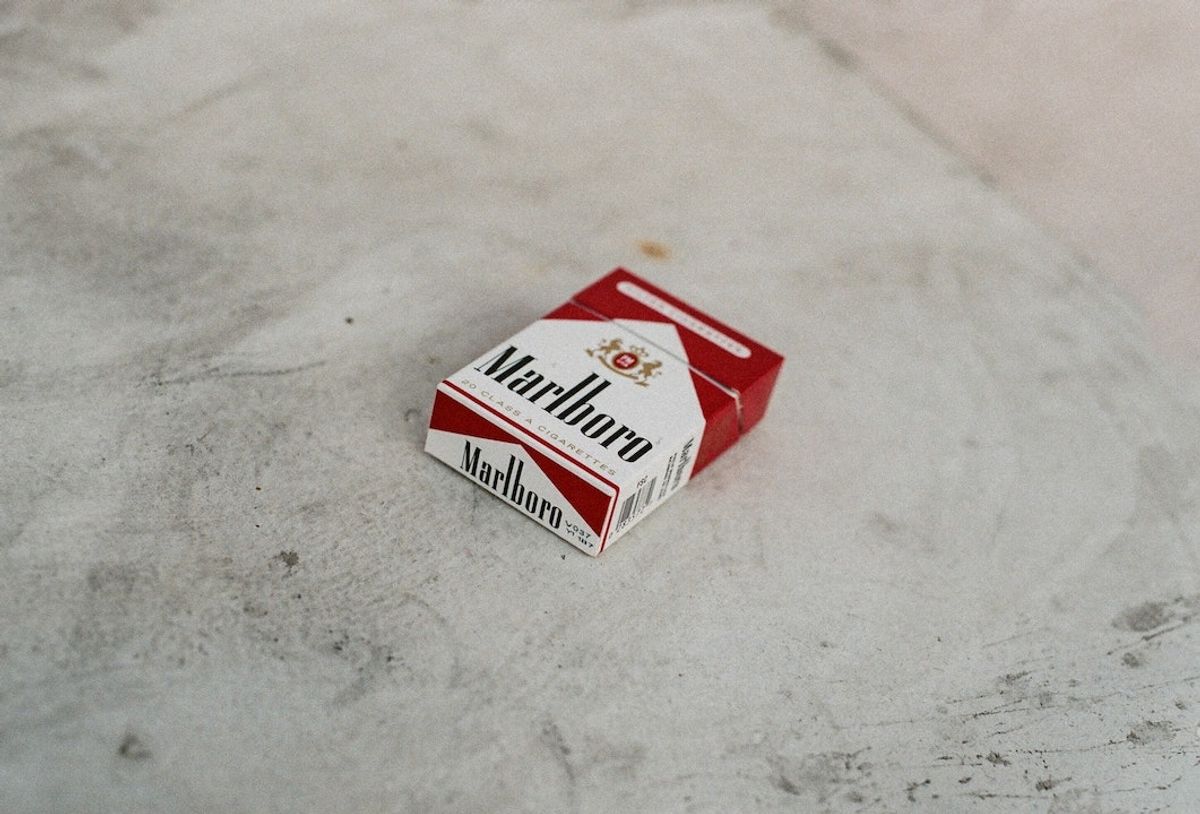
Image source: Moneyzine
Current Marlboro Price List by State for 2026
The following table provides a snapshot of Marlboro pricing across the United States. These figures represent the average retail price for a standard pack of Marlboro Red or Gold. Prices for "Value Tier" sub-brands like Marlboro Special Select are typically $1.00 to $1.50 lower than the figures listed below.
| State | Avg. Pack Price | Avg. Carton Price | State Excise Tax |
|---|---|---|---|
| North Carolina | $7.95 | $75.50 | $0.45 |
| Missouri | $8.15 | $77.40 | $0.17 |
| Virginia | $8.40 | $79.80 | $0.60 |
| Indiana | $12.16 | $115.50 | $2.99 |
| Florida | $9.85 | $93.60 | $1.34 |
| Texas | $9.50 | $90.25 | $1.41 |
| California | $11.90 | $113.00 | $2.87 |
| New Jersey | $13.25 | $125.90 | $2.70* |
| New York (State) | $15.20 | $144.40 | $5.35 |
| Washington | $12.75 | $121.10 | $3.02 |
Note: Prices are estimates based on recent market data from Tobacco Insider and regional retail surveys. New Jersey and Indiana prices reflect the significant tax adjustments implemented in late 2025.
Regional Pricing Trends
In 2026, we see a clear divide between the "Tobacco Road" states (NC, VA, KY) and the rest of the country. In these regions, Marlboro remains relatively affordable, often staying under $8.50 per pack. However, the "Premium Tier" states, primarily in the Northeast and West Coast, have seen prices climb steadily. New York continues to lead the nation in costs, with state excise taxes alone contributing over $5.00 to the price of every pack.
How Much You Save by Buying a Marlboro Carton
For regular consumers, purchasing by the carton is widely regarded as one of the most effective ways to manage costs. A standard Marlboro carton contains 10 packs, which equates to 200 individual cigarettes. In most retail environments, buying in bulk triggers a "carton discount" that individual pack purchases do not receive.
Carton Price Tiers in 2026
- Value Tier (Special Select / 72s): $79.00 – $89.00 in mid-tax states.
- Premium Tier (Red / Gold / Menthol): $140.00 – $155.00 in high-tax states like New York or Connecticut.
Beyond the financial savings, there are physical logistics to consider. According to product specifications from Sam's Club, a standard Marlboro carton measures approximately 1.95" W x 1.95" D x 17.25" L. This uniform size makes them easy to store, though users should be aware that wholesale clubs often require specific "Business Member" licenses to purchase tobacco in certain jurisdictions.
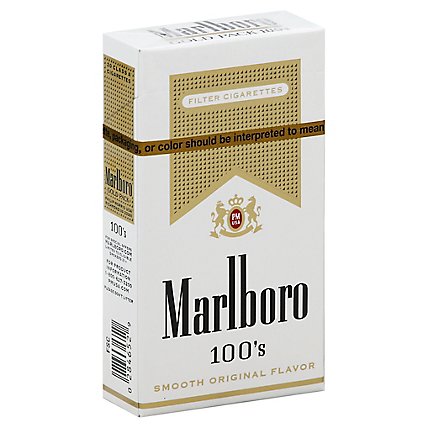
Image source: Vons
Why Some Marlboro Varieties Cost Less Than Others
It is a common misconception that all Marlboro cigarettes are priced identically. Philip Morris USA (Altria) utilizes a multi-tiered pricing strategy to capture different segments of the market. If you are looking to lower your daily expenditure, understanding these sub-brand variances is essential.
Marlboro Red & Gold
These are the flagship products. They carry the highest brand equity and are almost always priced at the top of the retailer's Marlboro range.
Typical Price: $10.25 (Avg)
Special Select & 72s
Designed for price-sensitive shoppers, these varieties often use slightly different tobacco blends or shorter lengths (in the case of 72s) to justify a lower price point.
Typical Price: $8.50 - $9.15
Data from Spring Market indicates that Marlboro Special Select is consistently priced $1.00 to $2.00 lower than Marlboro Reds. Similarly, Marlboro Black and Marlboro Edge are positioned as mid-tier options, offering a bolder flavor profile at a price point that sits between the Value and Premium tiers. If your goal is to stay within the Marlboro family while minimizing costs, the Special Select line is a top-tier option for budget management.
Understanding the Hidden Taxes in Every Pack
When you pay $10.00 for a pack of cigarettes, only a fraction of that money goes to the manufacturer and the retailer. The majority of the cost is comprised of various layers of taxation. Understanding this "Anatomy of a Pack" explains why prices vary so drastically when you cross state lines.
The Breakdown of a $10.00 Pack
- Federal Excise Tax: This is a fixed rate of $1.01 per pack, regardless of which state you are in.
- State Excise Tax: This is the primary variable. It ranges from a low of $0.17 in Missouri to $5.35 in New York.
- The MSA Payment: Manufacturers pay an average of $0.90 per pack to states as part of the Master Settlement Agreement (MSA). This money is intended to offset state healthcare costs related to smoking and is passed directly to the consumer.
- Manufacturer & Retailer Share: After taxes and MSA payments, approximately $5.90 to $7.60 remains to cover production, distribution, marketing, and retail profit margins.
In high-tax jurisdictions, the "tax-to-product" ratio can exceed 60%. This means that for every dollar you spend, 60 cents goes directly to government entities. This high level of taxation is a deliberate public health strategy designed to discourage smoking through price pressure.
Upcoming Price Changes and Tax Hikes in 2026
The pricing landscape in 2026 has been significantly shaped by a wave of legislative changes that occurred in late 2025. Smokers in the Midwest and Northeast have felt these impacts most acutely.
Indiana implemented a 200% increase in its cigarette tax, jumping from $0.995 to $2.995 per pack. This single legislative act pushed the average price of Marlboro in the state from roughly $8.50 to over $12.00 almost overnight.
New Jersey adjusted its tax structure to account for inflation and healthcare funding gaps, leading to a $0.50 per pack increase that solidified its position as one of the most expensive states in the region.
General economic inflation has continued to impact logistics and raw material costs. In 2026, Marlboro prices are trending 5-7% higher than 2024 levels, even in states that did not pass new tax laws.
According to projections from Boxprintify, we may see further "stealth" price increases as manufacturers adjust their MSRP (Manufacturer's Suggested Retail Price) to maintain margins amidst declining smoking rates nationwide.
Legal Minimum Prices vs. Actual Retail Prices
One of the most confusing aspects of cigarette pricing is the "Minimum Retail Price" (MRP) law. Several states, including New York and Indiana, have laws that prevent retailers from selling cigarettes below a certain price floor, even if they want to offer a discount.
In New York City, for example, the legal minimum price for a pack of cigarettes is $15.44. However, real-world data from Numbeo shows that the actual retail price at convenience stores in Manhattan often hits $19.00. Why the gap?
- Convenience Fees: Retailers in high-rent urban areas often add a significant markup over the legal minimum to cover their overhead.
- Local Taxes: Cities like Chicago and Philadelphia have their own municipal cigarette taxes on top of state and federal rates.
- Inventory Costs: Because cigarettes are high-theft items, retailers often charge a premium to cover insurance and security measures.
Rules for Buying and ID Verification
Buying Marlboro cigarettes in 2026 involves strict adherence to federal and state laws. Since the federal "Tobacco 21" law was enacted, the minimum age to purchase any tobacco product in the U.S. is 21.
However, some states have implemented even stricter verification protocols. In Colorado, for instance, retailers are required by law to check the ID of anyone who appears to be under the age of 50. This "Under 50" rule is a significant step forward in enforcement compared to the traditional "Under 27" or "Under 30" guidelines used in other states.
For those using delivery services like Gopuff, ID verification is mandatory at the point of delivery. The person who placed the order must be present with a valid government-issued ID; packages cannot be left at the door or accepted by a minor, regardless of the contents of the rest of the order.
How to Lower Your Cost per Pack
While taxes are non-negotiable, there are several legitimate ways to reduce the "out-of-pocket" cost of Marlboro cigarettes. These methods are widely used by savvy consumers to bypass the high retail markups found in convenience stores.
- Marlboro Rewards App: By scanning the codes found inside every pack, users can earn points redeemable for high-value coupons. These mobile coupons can often save you $1.00 to $2.00 per pack at the register.
- Manufacturer Direct Mail: Registering on the official Marlboro website often results in physical coupons being sent to your home. These are particularly valuable because they can sometimes be stacked with store promotions (where legal).
- Tribal Land Purchases: Cigarettes sold on Native American reservations are often exempt from state excise taxes. However, consumers should be aware of "personal use" limits when transporting these products across state lines to avoid legal complications.
- Duty-Free Shops: If you are traveling internationally, duty-free shops in airports offer Marlboro cartons at significantly reduced prices because they are exempt from local and federal taxes.
Frequently Asked Questions
Final Takeaways on Marlboro Pricing
Understanding the cost of Marlboro in 2026 requires looking beyond the sticker price at your local gas station. Here is the bottom line for consumers:
To find the most accurate current price near you, check the mobile app of a major national retailer like 7-Eleven or Speedway, which reflects real-time local tax adjustments.